Once you’ve found a building plot and appointed an architect, it’s time to start designing your house. This is when the real fun starts.
After all the hard work to get to this point – not to mention the money spent on the land – you’ll probably be keen to get cracking and submit a planning application. However, it’s worth spending a little time on this stage and relishing the chance to experiment with ideas.
For a few weeks, you and your designer will be able to concentrate on the drawings and investigate possibilities without outside interference. Once your submission is in front of the planners, other people will begin having their say and you’ll have to persuade, cajole and negotiate with them to protect your concept.
HOUSE DESIGN MASTERCLASS PART 2: SITE SURVEY AND ASSESSMENT
Work out a build programme and try to stick to it by all means, but make sure there is plenty of time built in for creative experimentation. Developing a scheme is challenging and involves intensive discussions between you and your designer, but it should still be a period to enjoy yourself and embrace creativity.
In these first stages, you can afford to cut your architect a bit of slack, as you may have only met each other a couple of times. Saying that, you do need to build an effective working relationship as quickly as possible, as they need to be able to tune into your way of working, spot any burning issues and pet hates and identify decisions you are happy to delegate.
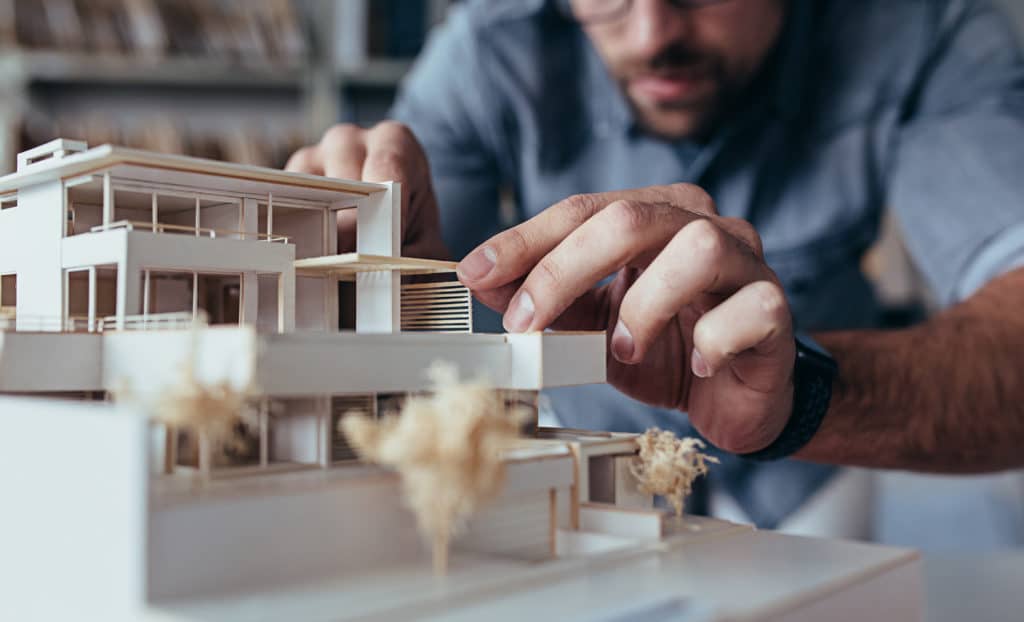
A lot of architects will make a 3D model of a scheme prior to confirming a design. You can also have a go at creating one yourself by using a Lego model house building kit
These early discussions will be easier if you have done your homework before the first line is drawn, so you are ready to answer all of the predictable preliminary questions that are likely to arise. To avoid sending your designer up too many blind alleys, there’s plenty of information you can pull together so the creative process can begin.
Before you purchased your plot, you should have worked out your self build budget in detail and so be able to estimate how much you can spend on construction. You should also be able to identify any architectural features that might inspire the design.
Our free cost calculator will help you make a budget, if you haven’t already.
Creating a brief
The other essential ingredient is your initial brief. This usually divides into ‘right brain’ practical matters and ‘left brain’ inspirational ideas. Your functional requirements are likely to include the number of rooms you want, their sizes and how they will be used.
You can probably list a great deal about your current needs, but don’t forget that the way you use the house will change over time, especially if you live in it for many years. If you expect to grow old there, or have friends or relatives with impaired movement, you might want to include wheelchair-friendly access, or space for a stairlift or elevator to be added in the future.
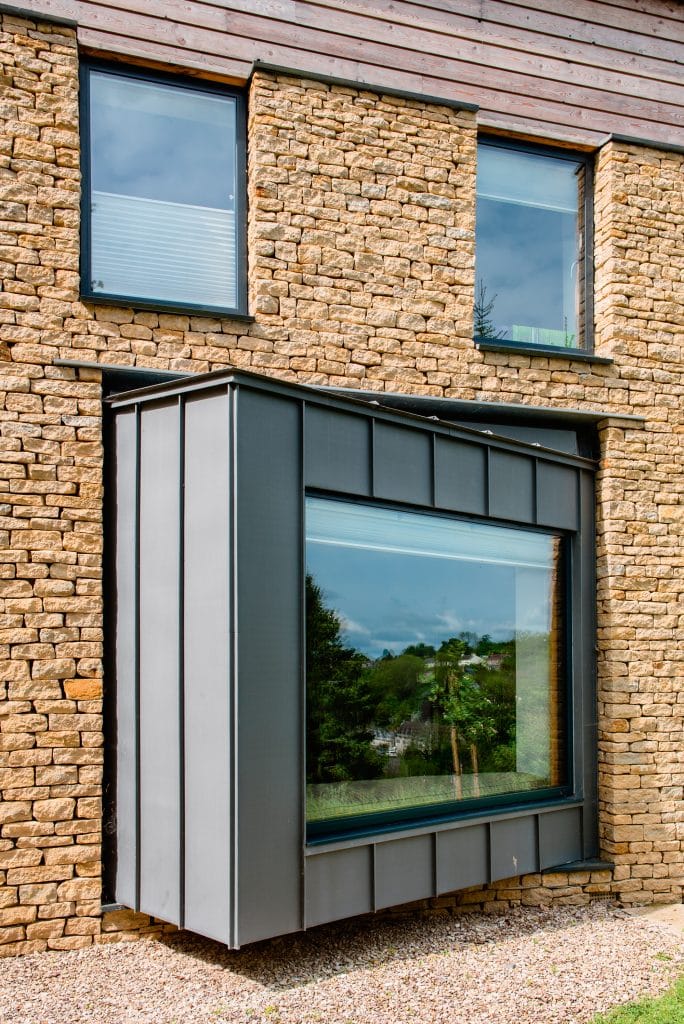
Architects Millar + Howard Workshop won over the Locke family with their ability to undertake their dream complex design
Getting your personal tastes across can be a challenge if you rely on listing or discussing them. The old cliche that a picture says a thousand words is apt here; a scrapbook of photos and drawings can give a very good idea of your preferences. You don’t need to find an exact illustration, but any visual clues you can provide will be helpful.
Sorting through magazines, websites and photos of beautiful properties can be fun, but it’s just as important to include a few buildings or details you hate. The aim should be to create a visual guide for your architect or designer to follow as a scrapbook or digital file.
It can be updated regularly to provide inspiration for the sketch right through to helping you choose ironmongery and wall tiles. Of course, there may be more than one person choosing pictures and if you don’t agree, it’s best to resolve any differences prior to handing over your final brief.
Communicating clearly
The planning officer is going to be a member of your architectural team whether you like it or not and, if you’re really unlucky, the planning committee might get in on the act as well. As such, it makes sense to research the influence they might have on your scheme before
it becomes fully fleshed out.
You’ll get some hints by looking at the planning department’s section of your local authority’s website, which will have examples of houses that have been approved in the past. Usually, each application includes a summary of the officer’s report, which should provide clues as to how your preferred style is likely to be received by them.
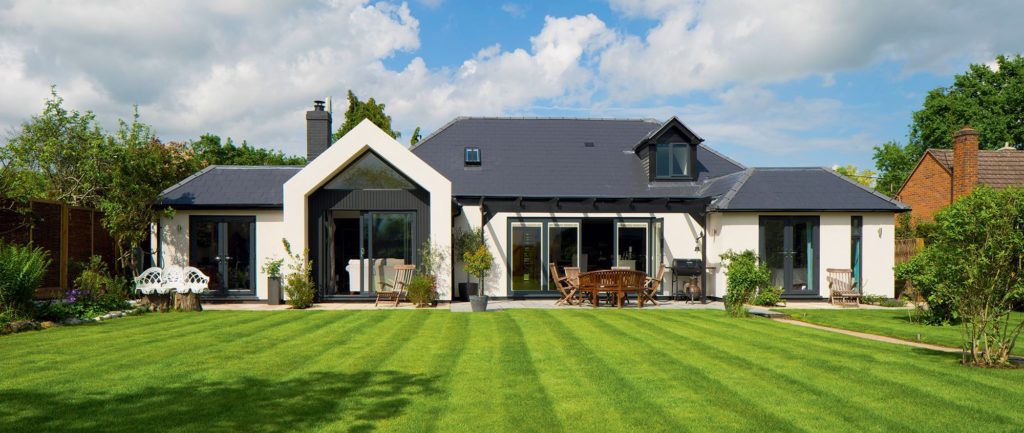
In order to ensure their bungalow renovation and extension gained planning permission, the Fernandez family invited the local planning officer over to visit to discuss the plans
Collaborating with an architect on a concept can be a delicate process at the beginning. To get the most out of your professional, you need to give them free rein to try out ideas and accept that they may not get it right first time.
No architect worth their salt will take the information you have assembled, come back with a fully resolved plan and expect you to approve it. If this happens, then you are probably working with the wrong person.
Find a credible architect for your project.
On the flip side, if you have very fixed ideas that you do not want to change, you may not need a designer and trying to work with one could turn out to be a painful experience for both of you.
The post House Design Masterclass Part 3: Initial Concept Design appeared first on Build It.
Article reference House Design Masterclass Part 3: Initial Concept Design

No comments:
Post a Comment