Whether or not to hire a dedicated project manager to oversee construction is one of the great dilemmas facing self builders.
The reassurance of having a professional in charge makes the whole process more bearable, but they do not come cheap. On most builds, allocating even 10% of the average budget of £306,000 to pay for a manager means over £30,000 less for materials and labour – which is roughly what you’d expect to pay for a decent kitchen and bathroom.
Faced with such sacrifices, some people may well opt to self-manage. But on larger and more complex builds, a professional project manager or overseeing architect becomes more of a necessity, because basic errors can mean expensive bills.
A compromise would be using a competent and well-established general contractor to undertake this role on relatively straightforward designs – but what exactly are the benefits of using a professional project manager on site?
1. Contract administration
A big part of what a manager does is making sure what is supposed to happen does happen, on time, on budget and to the right standard. Having someone who understands the processes involved and what a good outcome looks like is vital. It’s a skill that not everyone has, especially self builders who are overseeing a construction project for the first time.

Have a look at our list of expert project managers
A person who can ensure the terms of a contract are adhered to and enforced if necessary can save considerable time and money. The thought of having to confront a poorly performing tradesperson or challenging unsatisfactory workmanship can be a daunting prospect if you are going it alone.
2. Budget estimation
A good project manager will have an idea of what things cost and the impact of differing levels of quality on a build. While a quantity surveyor should be the first port of call for establishing the actual prices you might expect, the advice of your project manager can be invaluable when facing some potentially expensive choices.
3. Sourcing trades
Understanding jargon and asking the right questions when you’re interviewing prospective builders is so important. Making the wrong selection at this point can be the difference between having a smooth, enjoyable construction process and undergoing a year or more of unnecessary stress.
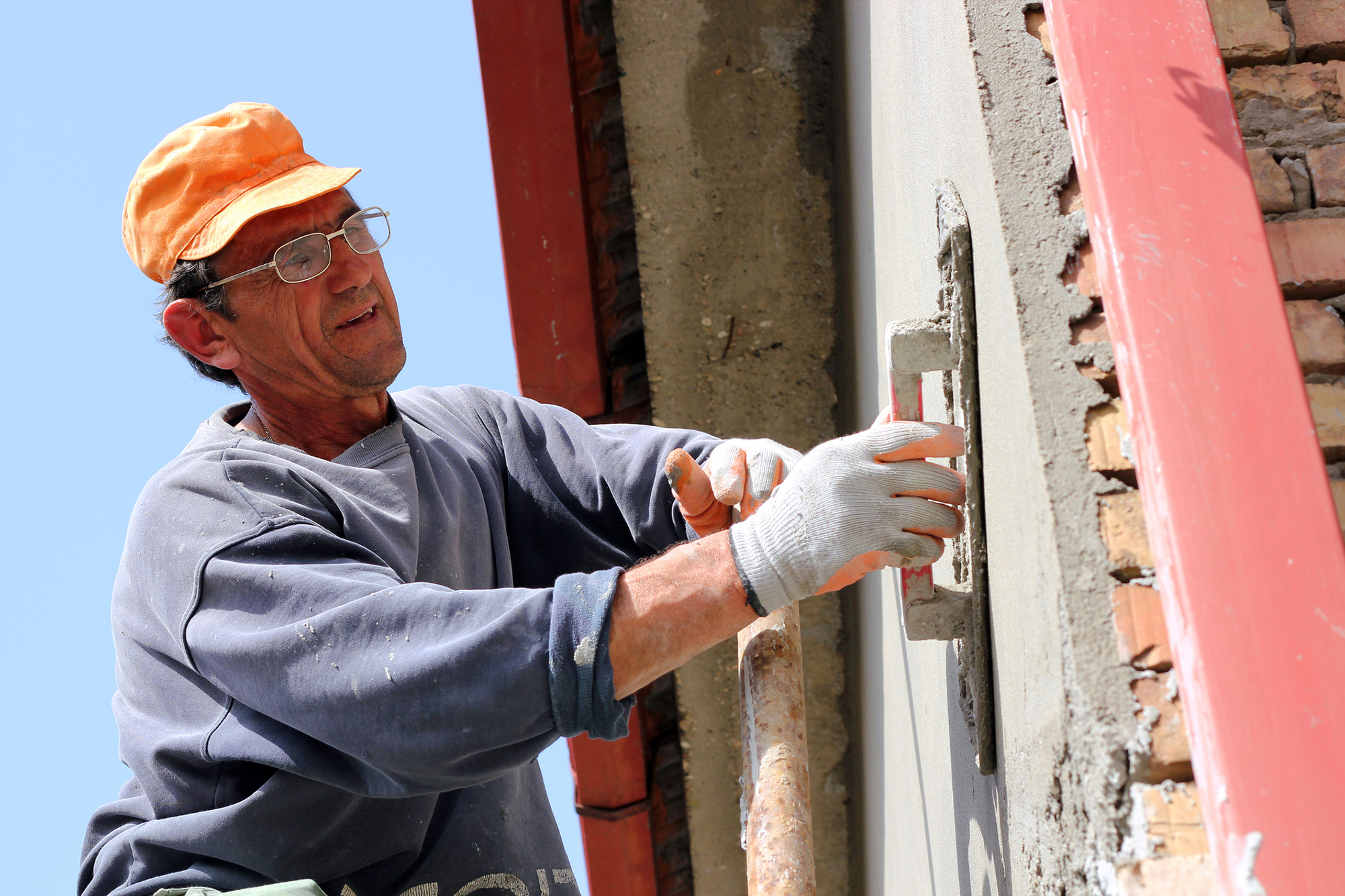
If your project manager has experience of local trades, they will have contacts with those sub-contractors they trust to do a good job and may encourage them to provide a quote for you.
4. Materials selection
There are a bewildering array of products on the market while new and innovative solutions are launched all the time. Sorting out which materials are the right ones for your build and which suppliers offer good value for money can make your head spin.
Sensible advice based on experience on previous projects will be invaluable when you need to identify the good stuff and also to warn you away from gimmicks.
5. Negotiating prices
Professional managers will have a strong idea about where there is potential to haggle on prices and when to just pay up. In particular, if decent discounts can be negotiated on the bigger ticket items such as bricks, roof tiles and windows, then the potential for savings can be considerable.
It’s on the larger builds, therefore, where a competent manager can really offset a good proportion of their costs by negotiating on behalf of their clients.
6. Dealing with the professionals
Effective communication between the client and architect or designer, as well as those involved in the inspection regime (such as building control and structural warranty providers), can be difficult if you don’t speak the same language. A project manager will understand the terms and processes involved in construction.
The Regulations are complex and in some cases can be counter-intuitive, for instance when it comes to airtightness issues, so having someone on board who knows how to negotiate their way through the maze is a real advantage.
7. Scheduling and programme management
Understanding the sequence of events involved with constructing a new home can be confusing and daunting. One of the questions I get asked most is if there is a scheduling template that a self builder can use to follow. While there are a few generic guides out there, finding one that fits exactly what you want is hard because every build will be different.

There really is no substitute for experience and an understanding of what has to happen and when. Getting the sequence right is where expensive mistakes can be avoided, but only the experience of someone who knows what they are doing can prevent errors from happening.
The post 10 Ways A Project Manager Could Help You appeared first on Build It.
Article reference 10 Ways A Project Manager Could Help You

No comments:
Post a Comment