When you buy a site, or a building for conversion, you need to be sure that you’ll be able to construct the home you want on it.
It’s essential, therefore, that you’re aware of the warning signs that could signal problems ahead. These could be planning issues, legal complications or practical constraints with the land itself.
We’ll have a look at these so that you’re both forearmed and forewarned!
1. Planning permission
A site without planning permission isn’t a building plot. It might have the potential to become one, but you can’t be confident until there is consent in place.
The council can offer pre-application advice on this, however this is not 100% reliable. Do not pay full price for a building plot, unless it has permission. If it doesn’t, buy via an option agreement or conditional contract that will delay your final purchase.
Land Appraisal: Garden Site in Oxfordshire
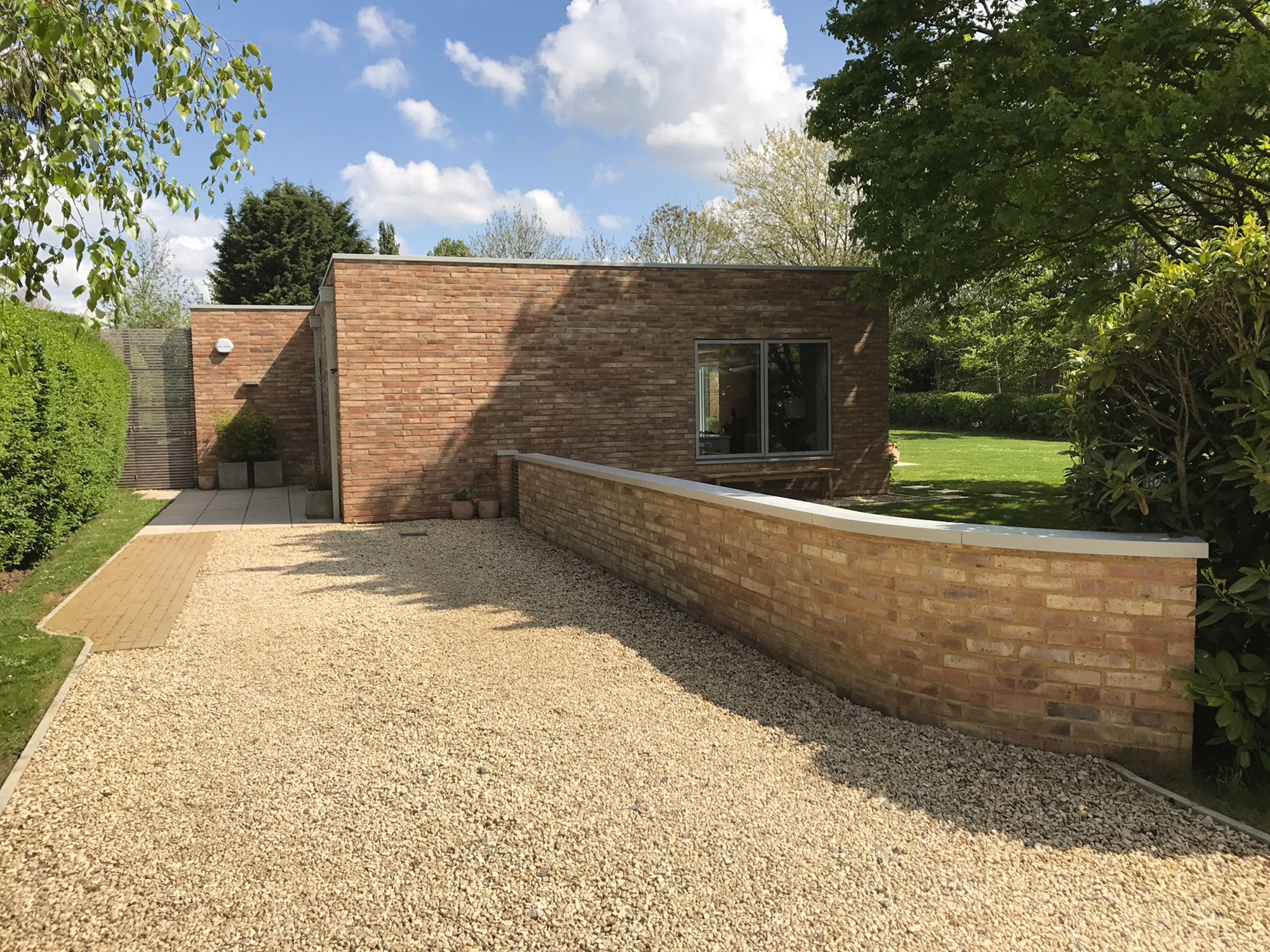
Build It’s plot watch expert Mike Dade went to assess the potential of this garden plot in Oxfordshire back in 2012. He had to consider many features of the plot, from the location to the planning policy. Read about what he discovers when he goes back to visit the plot in 2019. |
Discover more of Mike Dade’s plot watches
Assuming you’re buying a plot with planning permission, the first thing to check is the date on that permission. Planning only lasts three years (not five, as it used to). Permission that’s only got six months left to run might leave you short of time if you want to amend it in some way. Lenders will look at how long a permission has to run and won’t be happy if the timing is too tight.
Renewal of permission isn’t a foregone conclusion, so don’t risk running out of time before you can start your build.
2. Planning conditions
Planning permission, be it outline or detailed, always comes with conditions attached. Some require you to seek the council’s approval for details like external materials or landscaping. But they can be more fundamental, such as on outline permission, restricting the house to a single storey.
Worse still are conditions that require something to be done. For instance, this could be improving access, where not all the land necessary to complete the works would be within your control.
Green Oak Self-Build with Glazed Gables
|
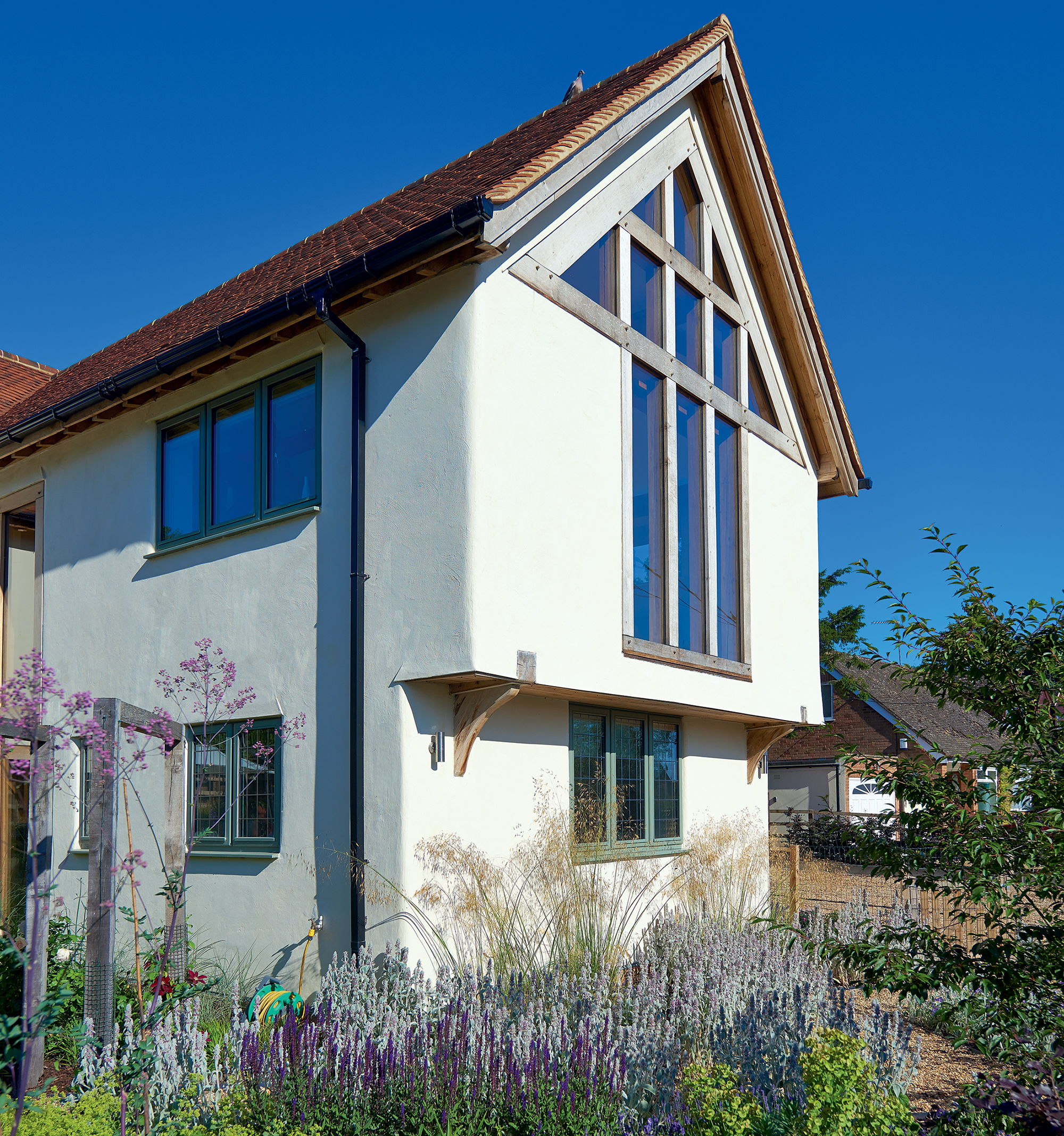 This house was built on a plot with 26 planning conditions. Despite this, the final design was not compromised and the end result was a striking self-build home.
If a planning permission expires before you can sort out any conditions and start work, then you should renew it well before it runs out.
All things being equal, that should be straightforward – but things aren’t always equal. Policy could have been altered in the three years since the previous permission, or planning officers and councillors could have changed.
Physical circumstances on the ground could have changed too. For instance, there may be new developments nearby; potentially trees could have been removed or maybe new neighbours have moved in.
3. The Scams
An unfortunate and long-running feature of the plot market has been small parcels of land offered for sale at irresistibly attractive prices. These are usually fields or paddocks. They are often divided up into numerous small parcels of around a quarter of an acre, often located within the green belt or open countryside.
The defining feature they all share is that none of them have a cat’s chance in hell of getting planning permission for new houses. So, at risk of stating the obvious, if it looks too good to be true, then it almost certainly is.
The post Top 10 Plot Pitfalls for Self-Builders appeared first on Build It.
Article reference Top 10 Plot Pitfalls for Self-Builders

No comments:
Post a Comment